Decrypting How Licensed Mobile Platforms Handle Secure Transactions for High-Roller Slot Play Without Traditional Self-Exclusion Routes
Vera Jenkins · Sep 15, 2026
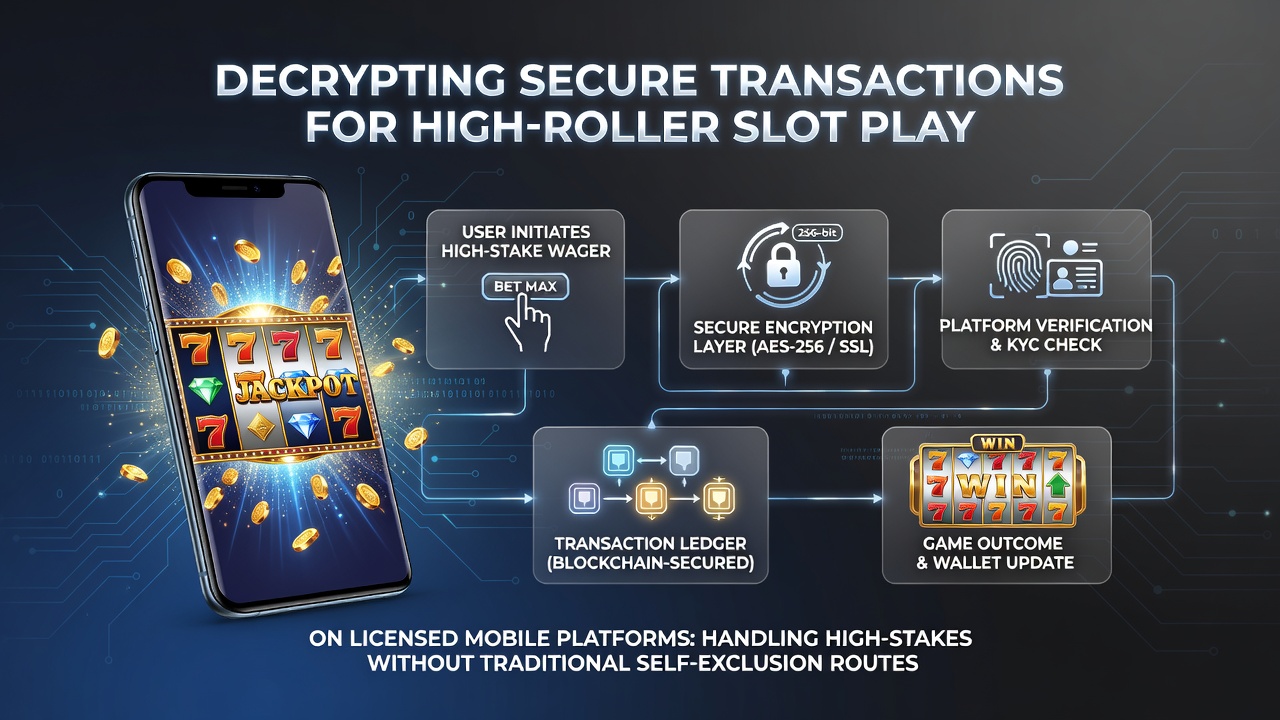
Decrypting How Licensed Mobile Platforms Handle Secure Transactions for High-Roller Slot Play Without Traditional Self-Exclusion Routes
Licensed mobile platforms process high-roller slot transactions through layered security protocols that combine encryption standards, tokenization systems, and real-time verification layers, while certain operators apply customized account controls that differ from standard self-exclusion mechanisms. These approaches draw on regulatory frameworks established across multiple jurisdictions, and they adapt to player profiles that involve larger transaction volumes and frequent session activity.
Regulatory Frameworks Guiding Mobile Transaction Security
Authorities in various regions set baseline requirements for data protection and financial processing, and operators must align their systems with those rules to maintain licensing. The New Jersey Division of Gaming Enforcement outlines specific standards for digital payment handling that include mandatory encryption and audit trails, whereas the Pennsylvania Gaming Control Board enforces similar mandates focused on transaction logging and player authentication. Observers note that these requirements extend to mobile environments where high-roller activity occurs, and platforms integrate biometric checks alongside device fingerprinting to meet compliance benchmarks.
Industry reports from organizations such as the International Association of Gaming Regulators indicate that transaction volumes in mobile slot categories have shown consistent growth patterns through 2025 and into September 2026, with high-roller segments contributing a disproportionate share of processed amounts. Data from these sources reveal that platforms route payments through segregated accounts and third-party processors that apply additional fraud detection algorithms calibrated for larger stakes.
Encryption and Authentication Methods in Practice
Mobile platforms deploy AES-256 encryption for data in transit and at rest, and they pair this with transport layer security protocols that update automatically across app versions. High-roller accounts often receive priority routing to dedicated servers that reduce latency during peak transaction periods, while the same systems apply continuous monitoring for anomalous patterns. Researchers at academic institutions studying digital payment flows have documented how tokenization replaces card details with unique identifiers that cannot be reversed outside the processor environment, thereby limiting exposure even if a device is compromised.
Multi-factor authentication combines something the user knows, possesses, and is, such as password plus hardware token plus facial recognition, and licensed operators must log each step for regulatory review. This structure supports high-volume slot play without interrupting session flow, and it operates independently of self-exclusion lists that many jurisdictions maintain as separate responsible gaming tools.
Alternative Controls for High-Roller Accounts

Some platforms replace or supplement traditional self-exclusion with tiered spending caps and session timers that adjust based on verified account history, and these measures allow continued access while enforcing predefined boundaries. Experts tracking regulatory filings note that such alternatives appear in operator submissions to bodies like the Alcohol and Gaming Commission of Ontario, where high-roller programs receive specific approval when they demonstrate equivalent risk mitigation. Transaction records from these programs show automated alerts triggered at preset thresholds, followed by mandatory cooling periods that do not require full account suspension.
Payment flows for these accounts frequently involve direct bank transfers or digital wallets pre-approved through enhanced due diligence, and the platforms record each transfer against internal risk matrices that factor in deposit frequency and average bet size. This method avoids blanket exclusion lists yet still satisfies licensing conditions that emphasize player protection through data-driven oversight rather than one-size-fits-all restrictions.
Payment Processing and Fraud Prevention Layers
Processors handling high-roller slot transactions apply velocity checks that flag rapid successive deposits, and they cross-reference these against global watchlists maintained by financial intelligence units. Licensed platforms integrate these checks into the mobile app layer so that verification occurs before funds reach the gaming server, and any flagged activity routes to compliance teams for manual review. Figures from industry associations reveal that false-positive rates have declined as machine-learning models incorporate region-specific spending behaviors, allowing smoother processing for verified high-volume players.
September 2026 updates to several platform architectures introduced enhanced real-time reconciliation between mobile wallets and backend ledgers, and these changes reduce settlement times while maintaining full audit trails required by regulators. Observers point out that the combination of automated and human review creates multiple checkpoints that operate without relying on self-exclusion databases.
Conclusion
Licensed mobile platforms manage secure high-roller slot transactions through integrated encryption, authentication, and monitoring systems that comply with diverse regulatory standards, while certain operators utilize customized controls that function alongside or instead of conventional self-exclusion lists. These practices reflect ongoing adaptation to transaction volumes and technological capabilities documented across multiple jurisdictions as of September 2026.